
The Importance of Rest and Recovery for Athletes
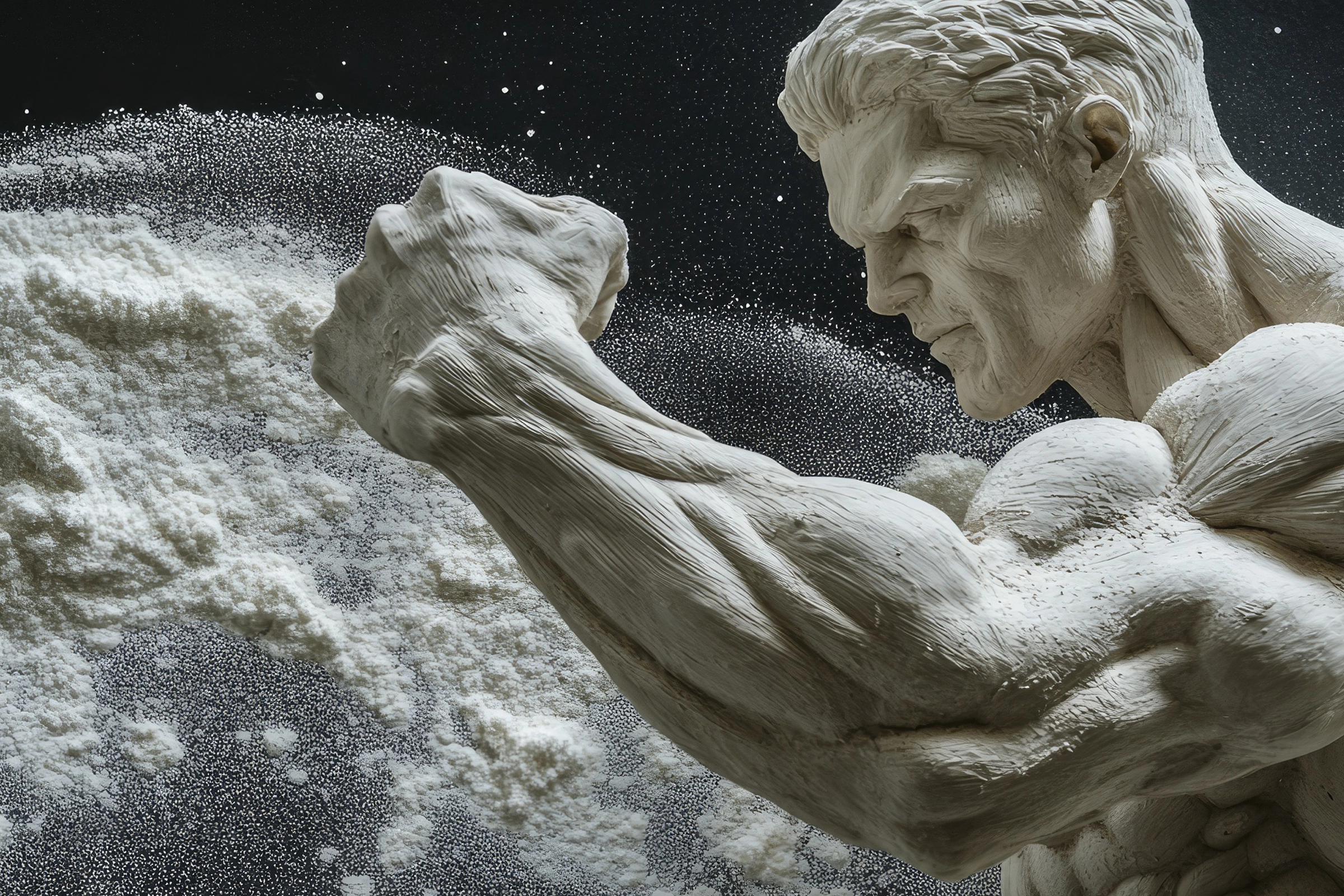
It's a common misconception that muscles grow in the gym. In reality, training is the stimulus that breaks muscle tissue down; the actual growth and repair happen while you are resting. Without adequate recovery time, your body remains in a catabolic state, leading to overtraining syndrome, decreased immunity, and an increased risk of injury. For any serious athlete, a recovery strategy is just as important as the training program itself.
Sleep is the most powerful recovery tool available. During deep sleep cycles, the body releases growth hormone and performs essential tissue repair. Aiming for 7-9 hours of quality sleep per night ensures that your hormonal balance remains optimized and your central nervous system has time to recharge. Supplementing with Magnesium or Zinc before bed can often improve sleep quality and support these vital restorative processes.
Active recovery and nutrition also play significant roles. Light movement on off-days, such as walking or mobility work, increases blood flow without adding further stress to the body. From a nutritional standpoint, ensuring you have adequate protein and micronutrients provides the raw materials needed for repair. Anti-inflammatory ingredients like Turmeric or Omega-3 fatty acids can also help manage the systemic inflammation that follows intense physical exertion.
Ultimately, longevity in sports and fitness depends on your ability to listen to your body. Recognizing the signs of fatigue and prioritizing downtime will actually lead to faster progress in the long run. By respecting the recovery process, you ensure that every workout is performed at maximum capacity, leading to better performance, greater strength gains, and a healthier, more resilient body.